Object Design
Mexico
My design approach is grounded in a deep understanding of the user and context, stemming from immersive ethnographic work. My process involves translating cultural, ecological, and social insights into tangible material narratives, where listening, understanding, and storytelling are central to creating objects with meaningful impact.
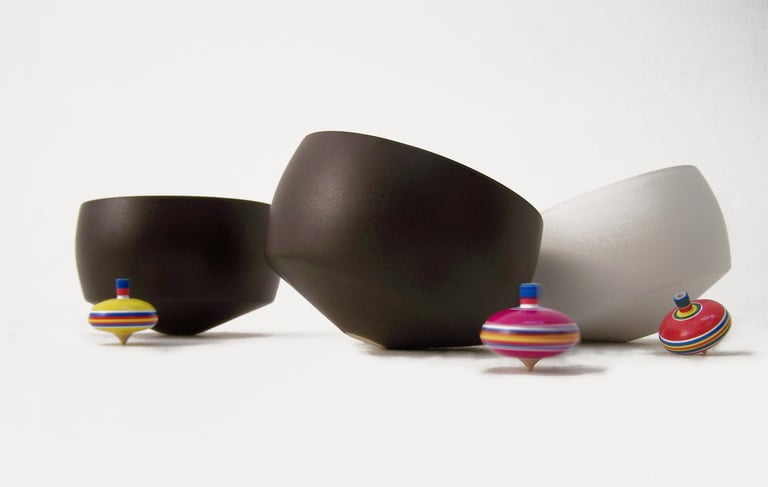
Primnola is a ceramic bowl inspired by the playful geometry and rotational movement of the traditional pirinola. The object reflects an intersection of function, cultural reference, and material experimentation within contemporary object design.
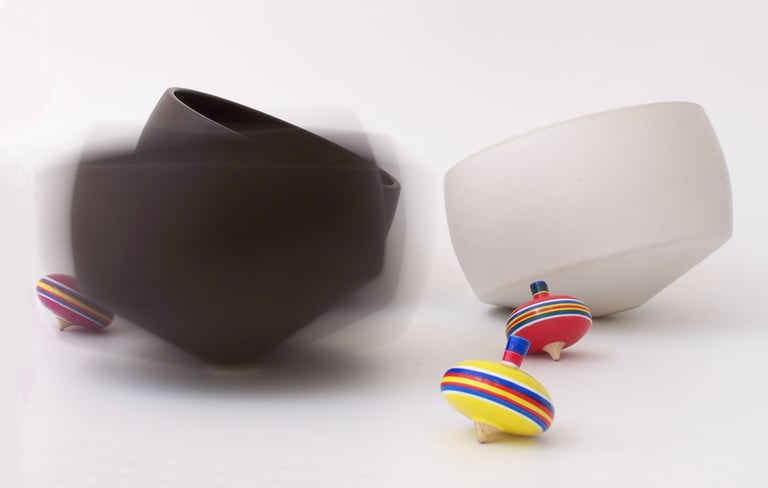

Pirinola - Ceramic Bowl
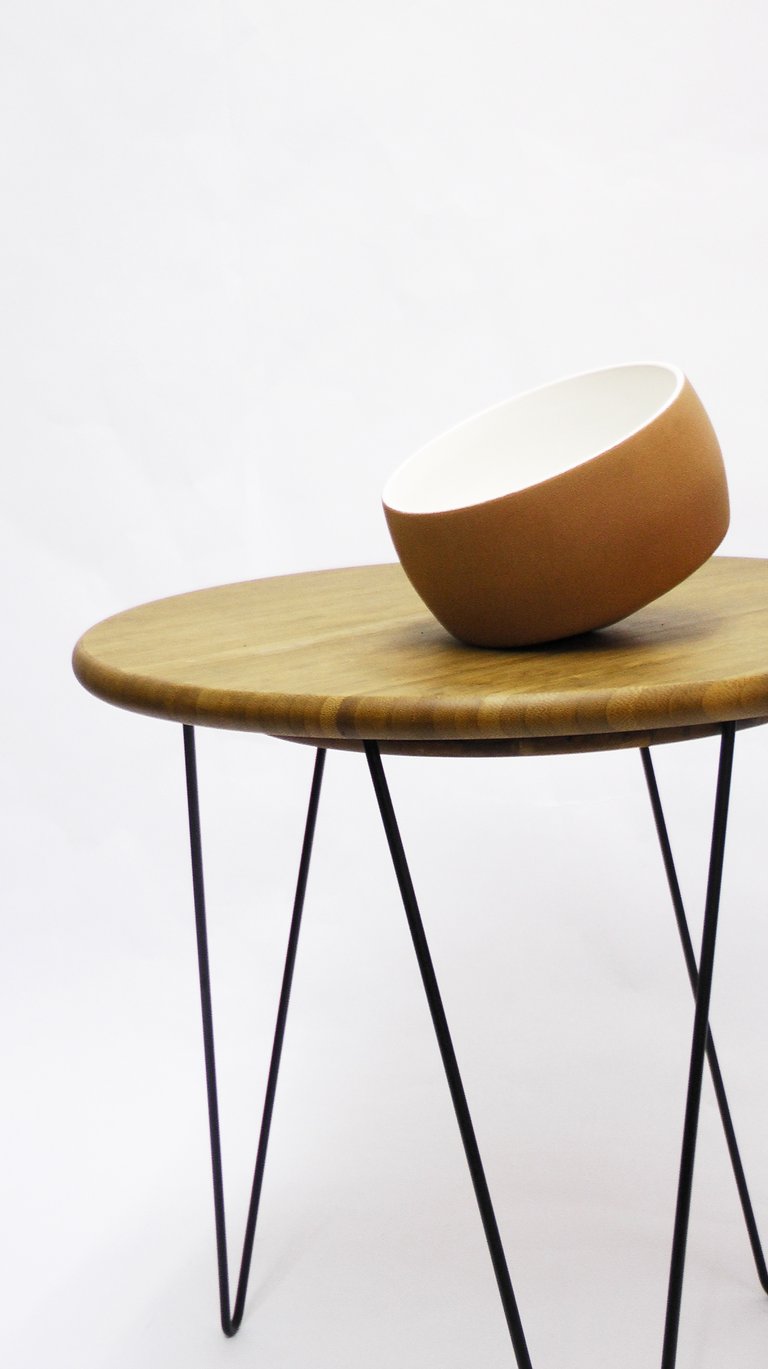
Acapulco - Table
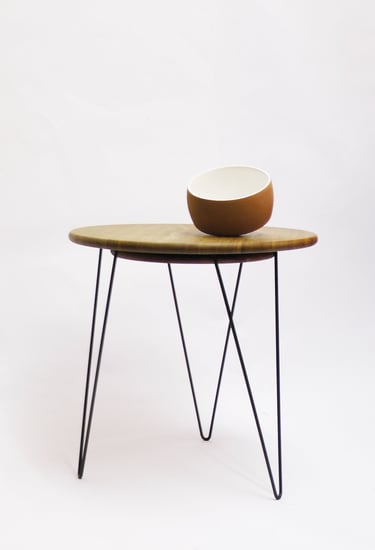
Acapulco Table is a reuse-based object design project that combines two existing elements: a traditional outdoor metal planter stand commonly found in coastal areas, and a rotating bamboo tabletop, originally designed as a serving tray or centerpiece. Both objects were repurposed after being stored unused. The project highlights modular thinking, cultural context, and creative reuse, transforming familiar objects into a functional table.
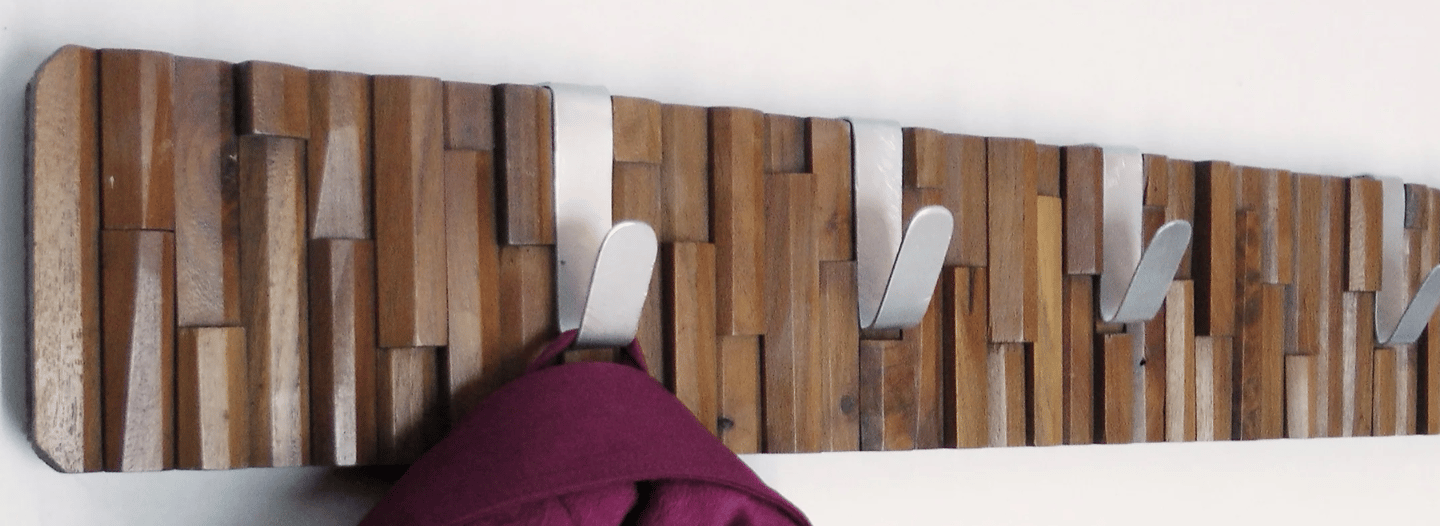
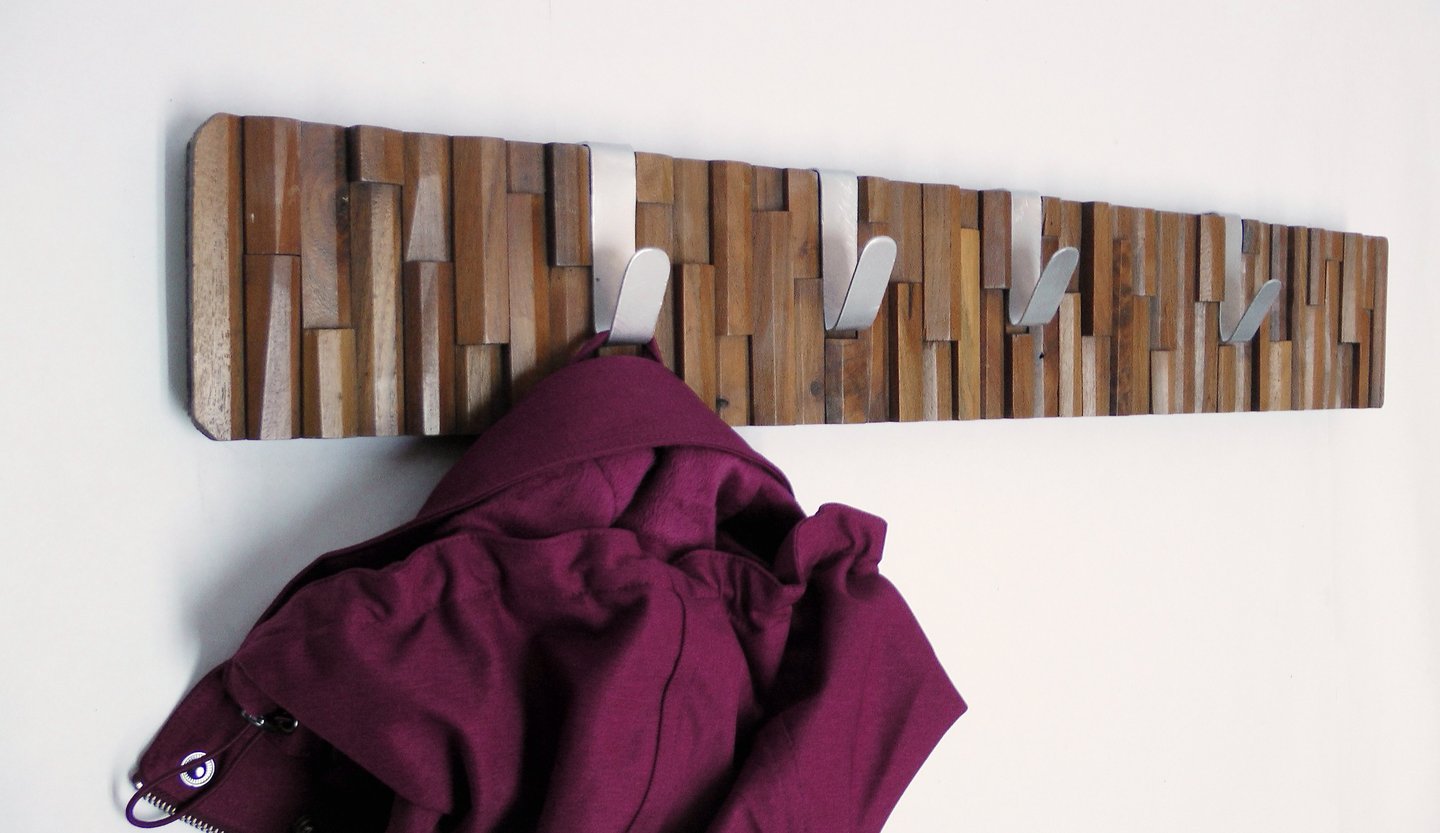
Coat rack
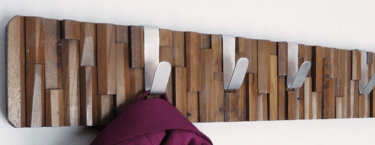
This coat rack is an object design project created from marquetry residues, a fine wood material discarded during a renovation process. Custom-sized metal hooks were adapted as secondary elements to complete the piece. The project focuses on reclaiming the value and functionality of materials discarded by others, transforming waste into a functional everyday object.
Didactic Material
BA´ATE´IL

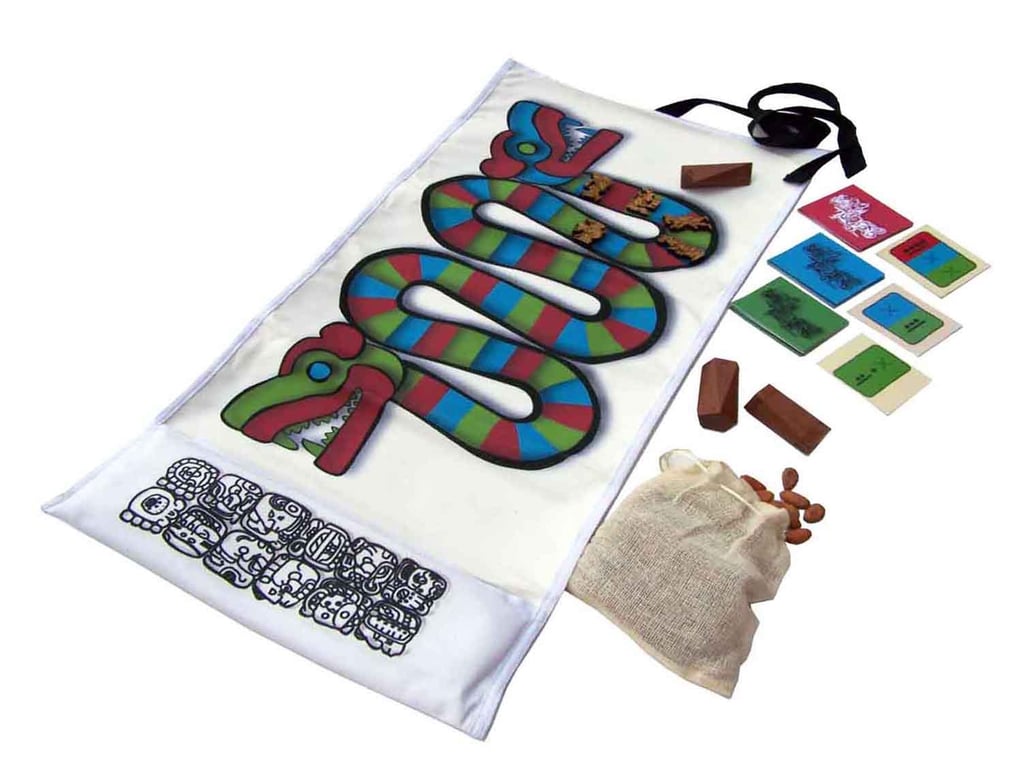
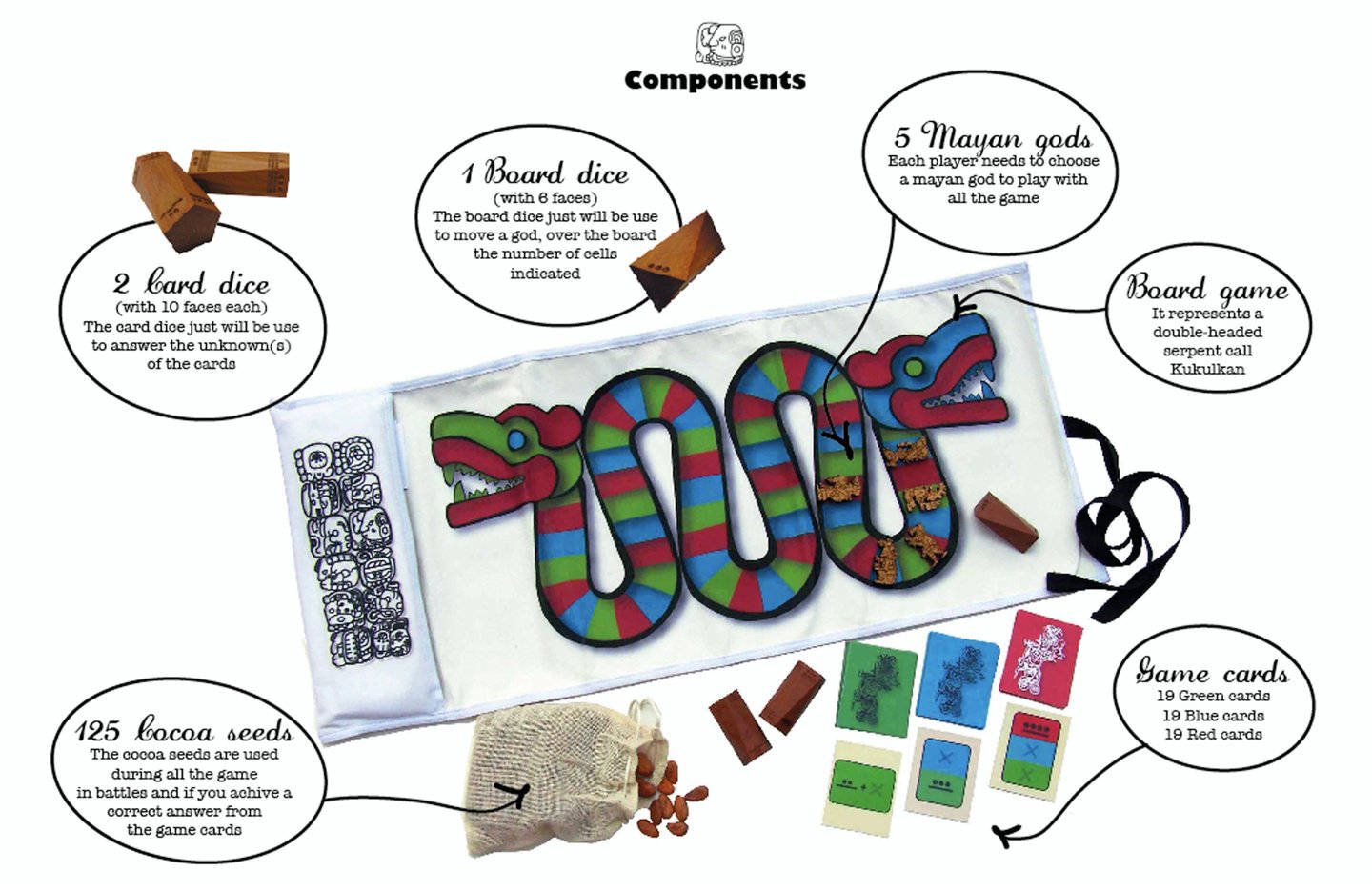
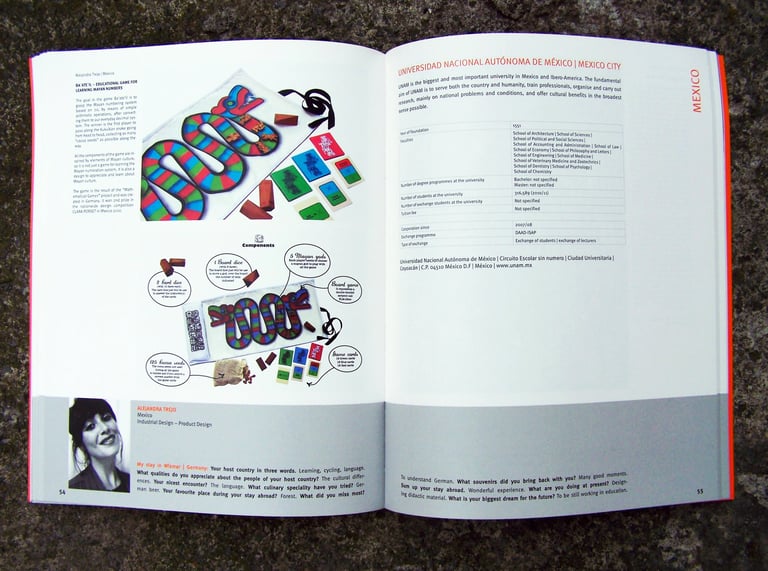
BA´ATE´IL is a mathematical educational board game designed to introduce and explore the Mayan vigesimal (base-20) numeral system. Through play, participants learn how numbers are constructed, represented, and calculated within this ancient numerical system.
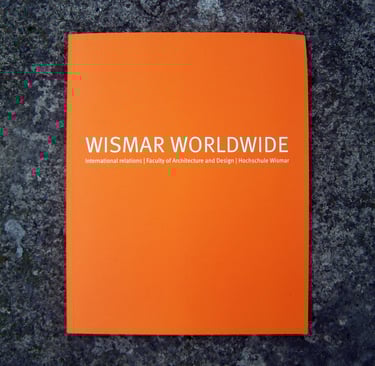
Developed in collaboration with Hochschule Wismar University in Germany and the Centro de Investigaciones de Diseño Industrial (CIDI), UNAM, the game is conceived as a didactic tool for secondary-level education. It supports the study of the Mayan numeral system alongside other historical numerical systems, such as the Greek system, fostering comparative learning, logical thinking, and cultural understanding.
In addition to numerical learning, the game introduces key Mayan deities. Each god is represented as a playing piece, allowing players to advance across the board while engaging with mythological narratives and symbolic meanings. This integration of mathematics, mythology, and gameplay enriches the learning experience, connecting abstract numerical concepts with cultural and historical context.
BA´ATE´IL combines pedagogy, game design, and visual clarity to make abstract mathematical concepts accessible, engaging, and meaningful within an intercultural educational framework.